





Following the 2014 Revolution of Dignity, Ukraine faced unprecedented challenges. In response, new initiatives and approaches emerged that would shape the country throughout the war. Civil society grew stronger, and civil society organizations became a powerful force in defending the rights of people affected by the conflict. One of these organizations was Donbas SOS.
Donbas SOS was founded in March 2014 by activists from Donetsk who had participated in Euromaidan and were subsequently forced to leave the city for Kyiv because of persecution. Initially, their efforts focused on helping others facing similar circumstances. They helped people find jobs and housing and resolve various social issues, supporting those who had found themselves in the same difficult situation.
Unfortunately, events unfolded rapidly. In April 2014, armed groups of the self-proclaimed “DNR” and “LNR” seized Ukrainian cities, including Sloviansk and Kramatorsk, as well as other towns and villages in the Donetsk and Luhansk regions.
By that time, the founders of Donbas SOS were already receiving requests for help from friends and acquaintances who needed advice on how to leave dangerous areas and find accommodation in new places. It was in April 2014 that Donbas SOS began doing what it continues to do today: providing consultations and support to fellow Ukrainians forced by the war to leave their hometowns, find new places to live, and seek assistance.
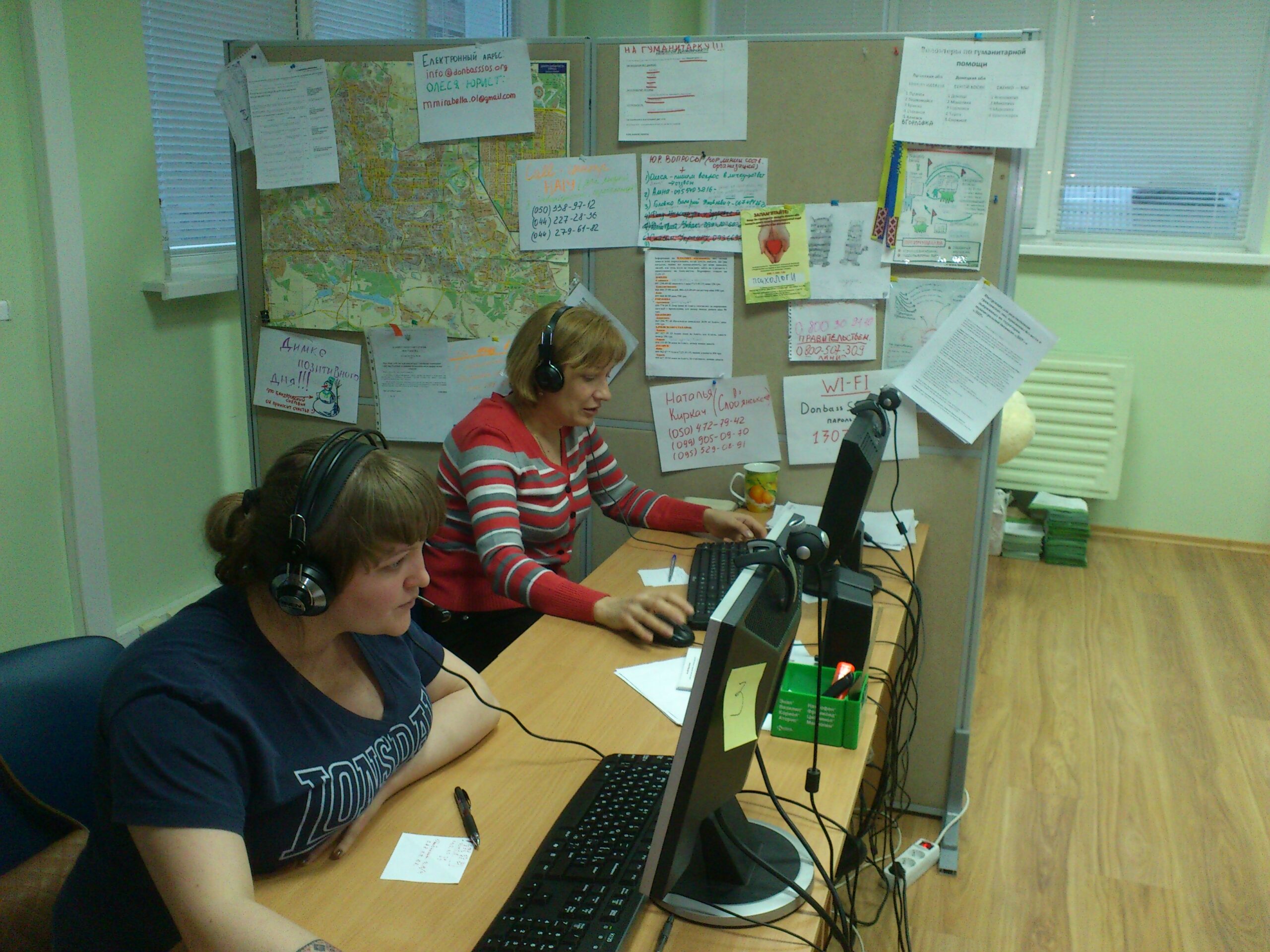
In June 2014, Donbas SOS began to position itself as an organization providing advisory support to people fleeing the war (the term “internally displaced persons” had not yet come into use).
“Looking for volunteers to staff a hotline providing advice on how to leave the occupied territories” — this was the wording of the organization’s first recruitment announcement.
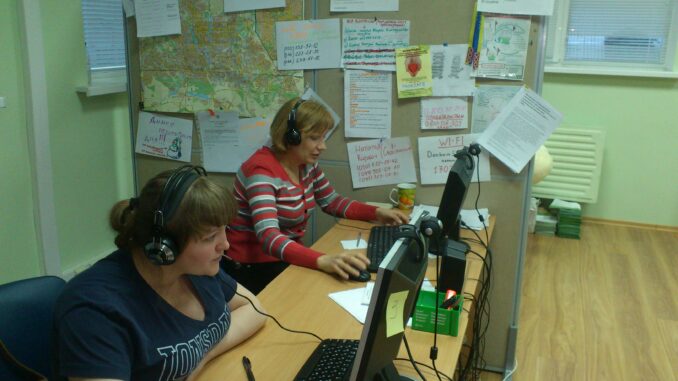
We had eight mobile phones using different Ukrainian mobile networks and around 60 volunteers working in shifts, almost around the clock. After attending classes at universities, working in hospitals or at banks, people would come to help others. They provided advice, offered reassurance, searched for answers to difficult questions and, most importantly, gave people hope that they would be able to find a safe place and start their lives anew.
Between April and November 2014, the most frequently asked questions included:
“Which roads are safe from shelling?”
“How can our family get safely from Luhansk to Dnipropetrovsk?”
“We arrived in Kyiv with nothing but the clothes we were wearing. We have no money and no clothes. Who can we turn to for help, even to get some food?”
“Please help us find an apartment or a place in a dormitory. We are at the railway station and have absolutely no one to turn to.”
The questions raised by the first people displaced by the war, as well as the needs they described, covered an extraordinarily wide range of issues. The Ukrainian state had never before faced displacement on such a scale or the challenge of supporting such large and diverse groups of people.
It was in 2014 that a broad network of civil society organizations and charitable foundations began to emerge across Ukraine, providing assistance to fellow citizens affected by the war.
The greatest demand was for humanitarian aid, including food, clothing and essential supplies. Organizations arranged collection drives and set up warehouses to store and distribute humanitarian assistance.
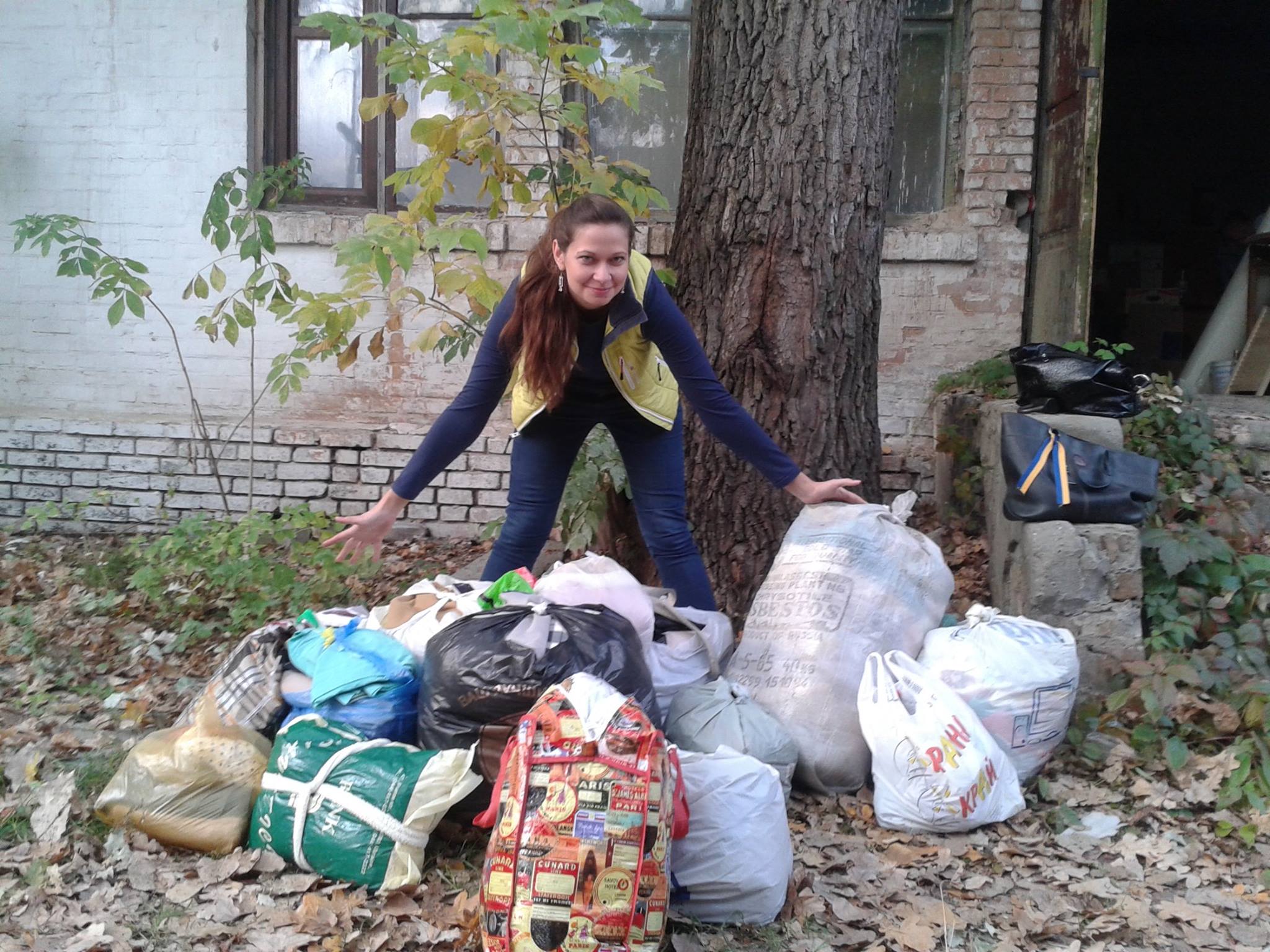
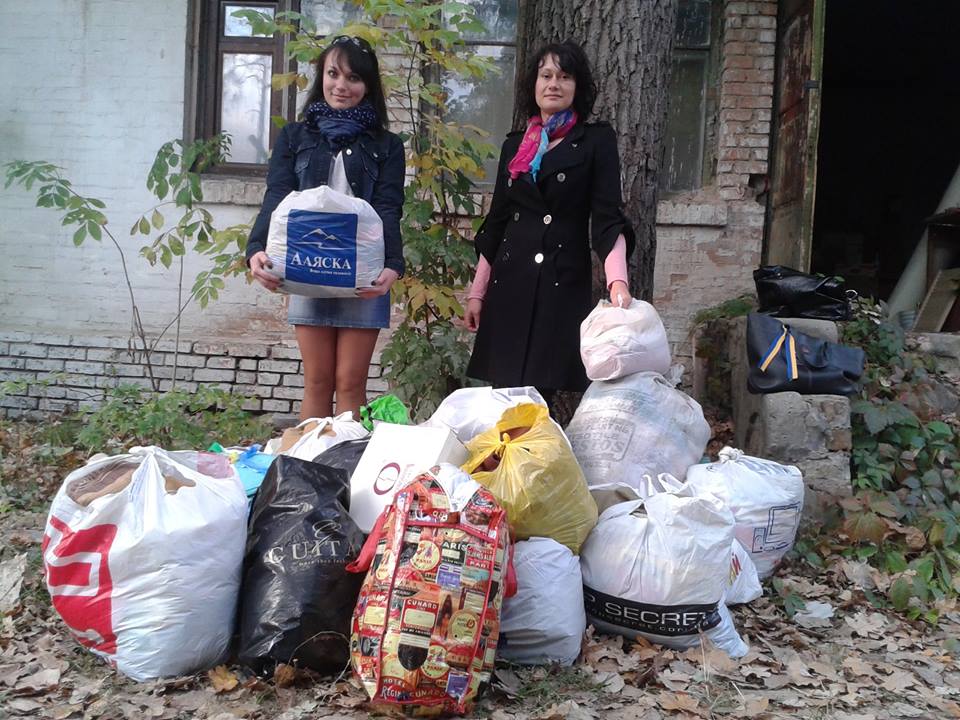
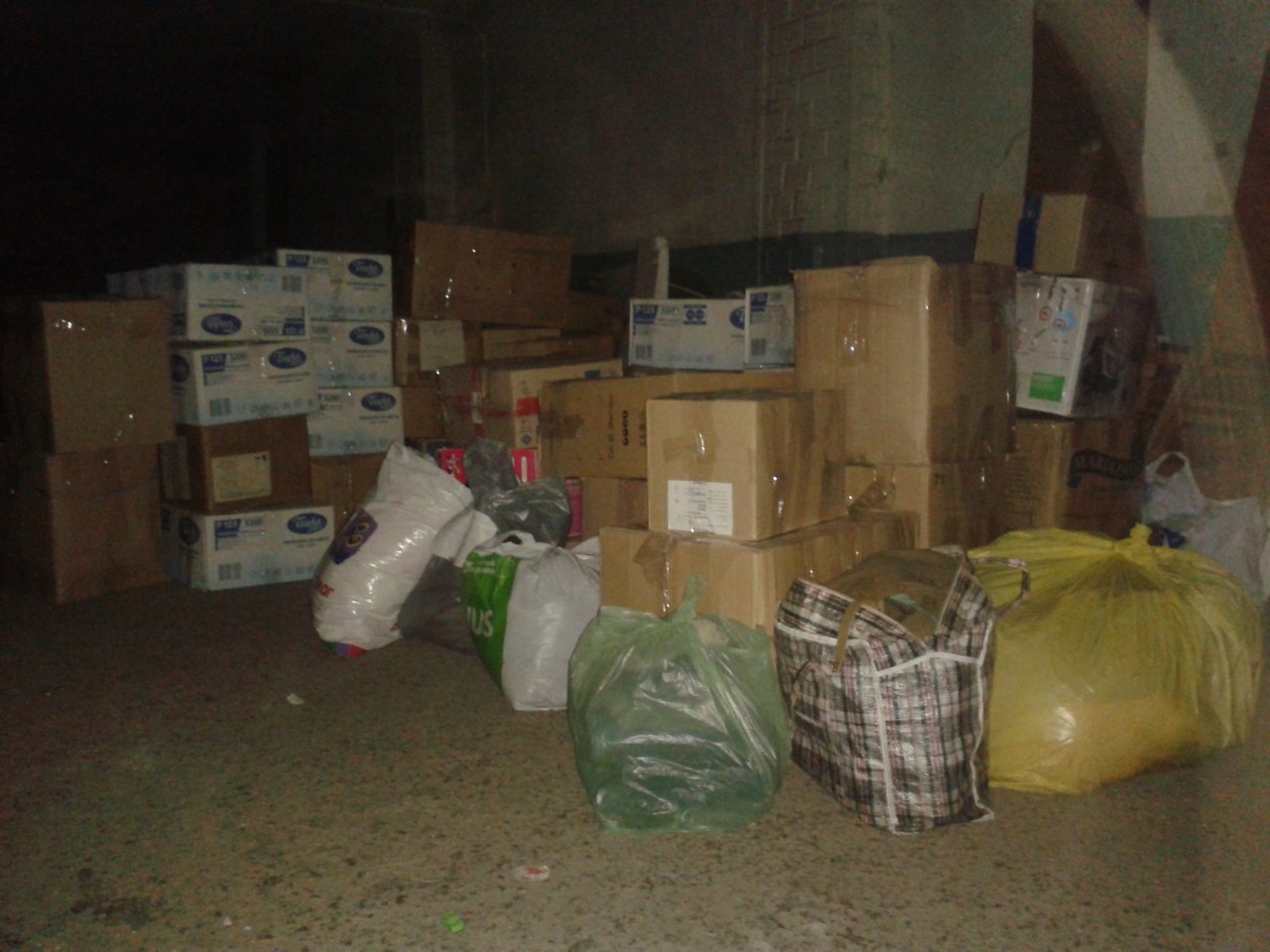
However, alongside direct assistance and the distribution of clothing, food and other essential supplies, organizations were already beginning to emerge that focused on long-term support and finding systemic solutions. We remember organizations that helped people find jobs, those that supported older people and people with disabilities, as well as animal welfare organizations. Donbas SOS built connections with all of them, because the requests coming through the hotline were diverse and often very specific.
Even then, amid the general chaos, Donbas SOS was developing its own approach to its work: know everything, know everyone who can provide assistance, and refer people to partner organizations according to their needs.
Many organizations that began as volunteer initiatives in 2014 are still active today. They continue to protect people affected by the war and advocate for their rights and interests.
Over the years, the scale of the challenges has changed, as have people’s needs and the support system itself. But one thing has remained constant: the willingness of civil society to come together, support one another and stand up for those affected by the war. This is where the story of Donbas SOS began.